Malaria is caused by parasites passed on by the bite of infected mosquitoes. It can be treated, but it can become serious quickly, so an early test matters.
Signs to look out for
Symptoms usually start 10 to 15 days after the bite. The most common early signs are:
- fever
- headache
- chills
Early malaria can feel like flu or another fever. Only a blood test shows whether it is malaria.
Who is at higher risk
Babies and children under five, pregnant women, travellers and people living with HIV are at higher risk of serious illness.
Test first, then treat
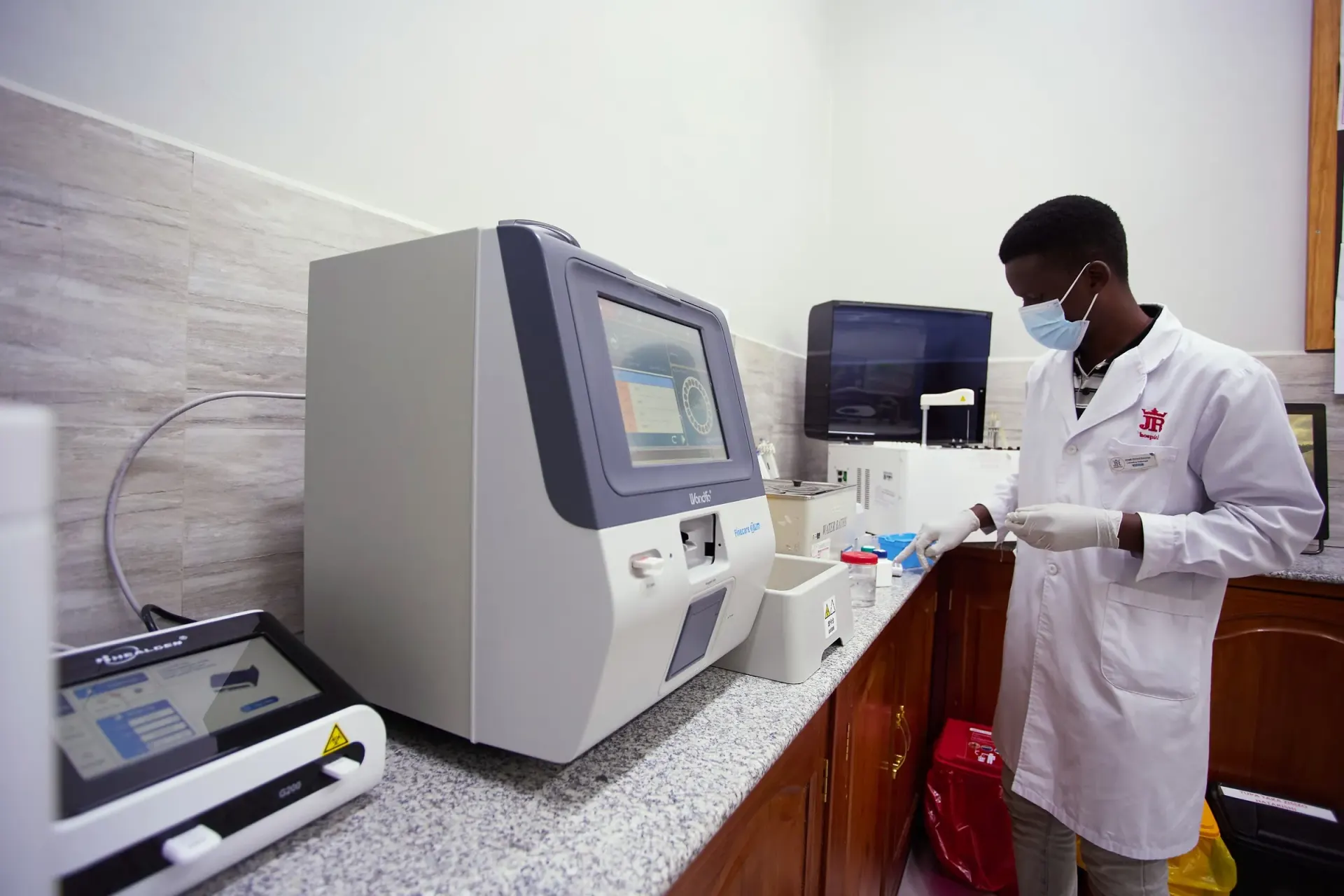
The World Health Organization advises that every suspected case of malaria is confirmed with a blood test before treatment: a rapid diagnostic test or a blood slide examined under a microscope. Taking malaria medicine without a test can delay the right treatment if the fever has another cause.
Without treatment, the most dangerous type of malaria can become severe illness within 24 hours. Do not wait to see whether a fever passes, especially in a young child or a pregnant woman.
Go to emergency care straight away if the person
- is extremely tired or weak
- is confused, very sleepy or hard to wake
- has a fit (convulsion)
- has difficulty breathing
- passes dark or bloody urine
- has yellow eyes or skin
- has unusual bleeding
Protect your family
- Sleep under a mosquito net every night, all year round. Make sure children sleep under it too.
- If you are pregnant, ask at your antenatal clinic about the medicine given in pregnancy to prevent malaria.
- Finish all the medicine a health worker gives you, even when you feel better.
Malaria testing at JR Hospital
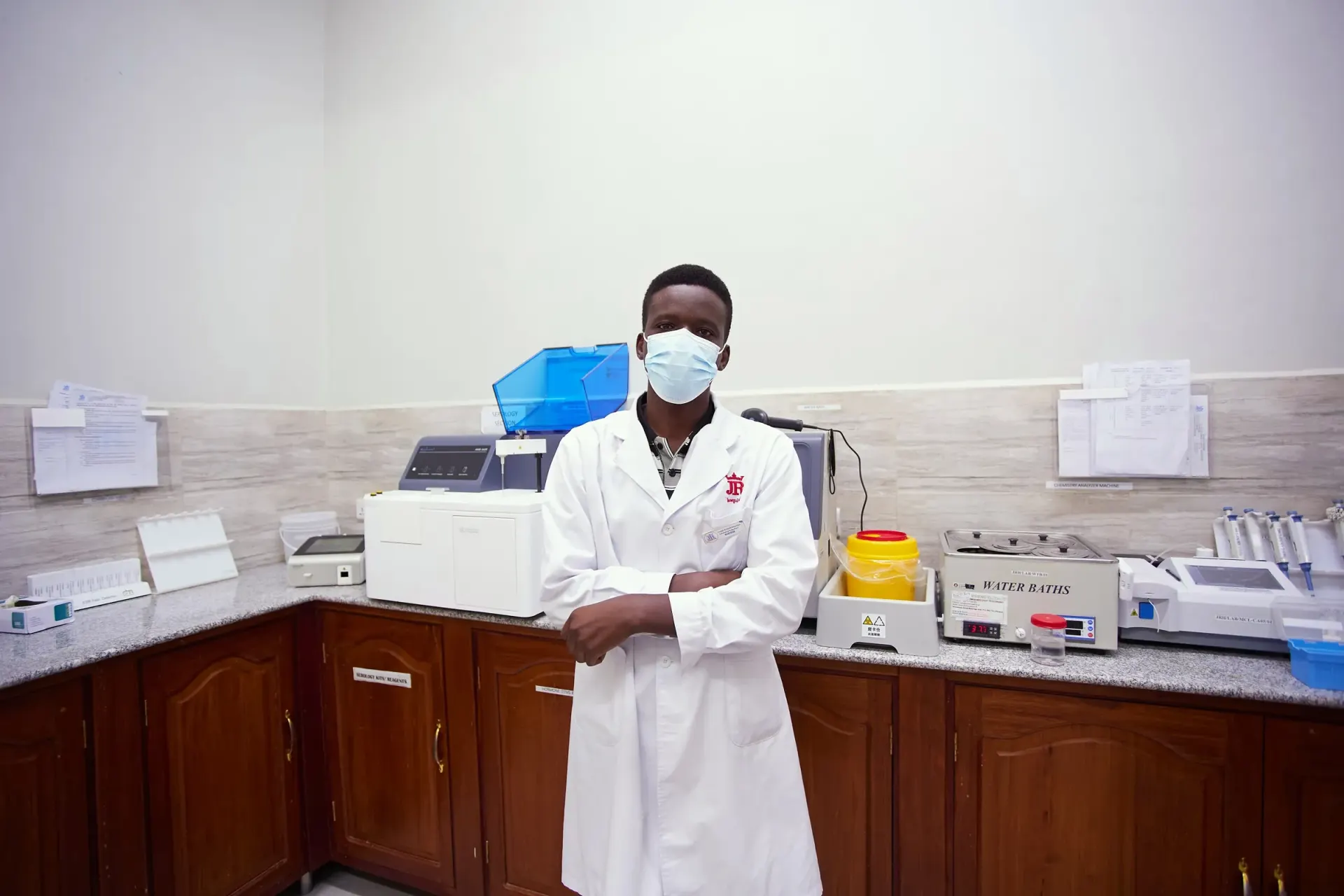
Our laboratory is open 24 hours a day, every day, on Uhuru Road, Mwanza. If you or your child has a fever, come to the outpatient department or to Accident & Emergency at any time.
Sources
This article is general health information, not personal medical advice. Speak to a doctor about your own symptoms or treatment. In an emergency, go to the nearest Accident & Emergency department.